
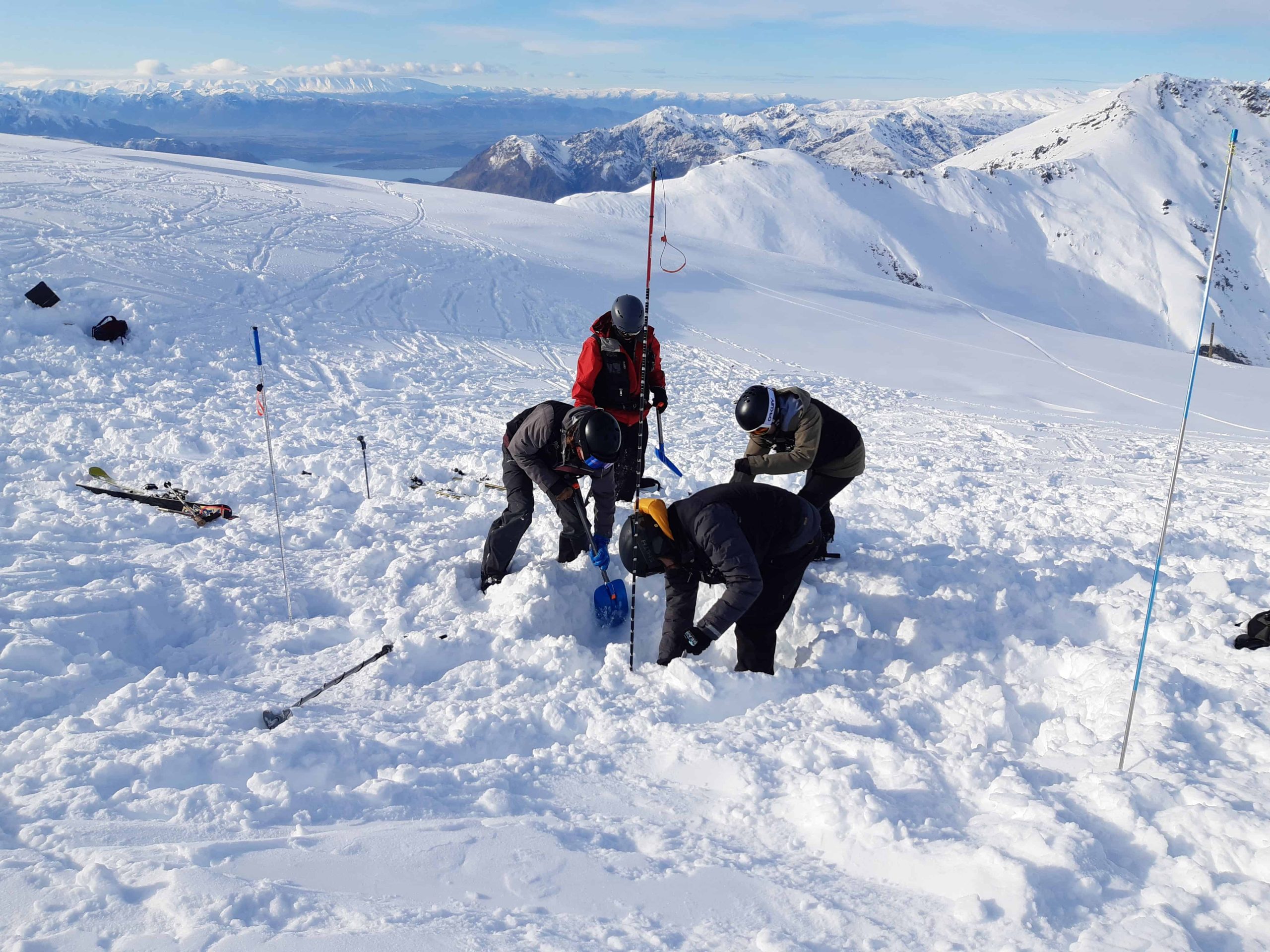
Why do an Avalanche Skills Course
Backcountry Risk
Backcountry ski and snowboard travel is becoming more and more popular. Equipment is becoming better, lighter and more easily available. There is even a secondhand market to allow cheaper entry into the activity.
For those used to skiing and riding inbound at a ski field, it may be difficult to understand the hazards that you are exposed to once you cross the ski field boundary.
The Utah Avalanche Centre collated data relating to the risk of various activities. This study determined that heading into the backcountry without applying any risk reduction measures was in the same order of magnitude of risk as driving a car for 8 hours in a day or white water kayaking.
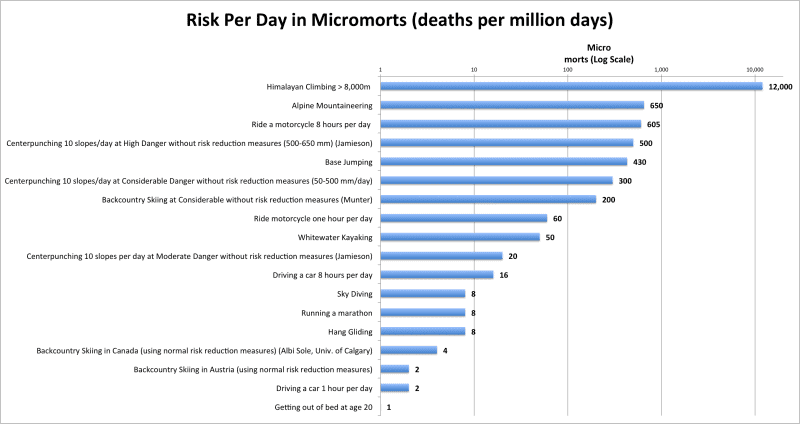
Risk Per Day in Micromorts (Utah Avalanche Centre)
For a bit more context, days of Moderate avalanche danger are when 34% of avalanche accidents happen (the most accidents happening during Considerable danger).
According to the same pool of data. Applying normal risk reduction measures reduced the risk of backcountry travel by a factor of 10 (based on data from Austria and Canada). This is roughly equivalent to the risk of driving a car for 1 hour per day, or something that most of us determine to be reasonably acceptable in our day to day lives.
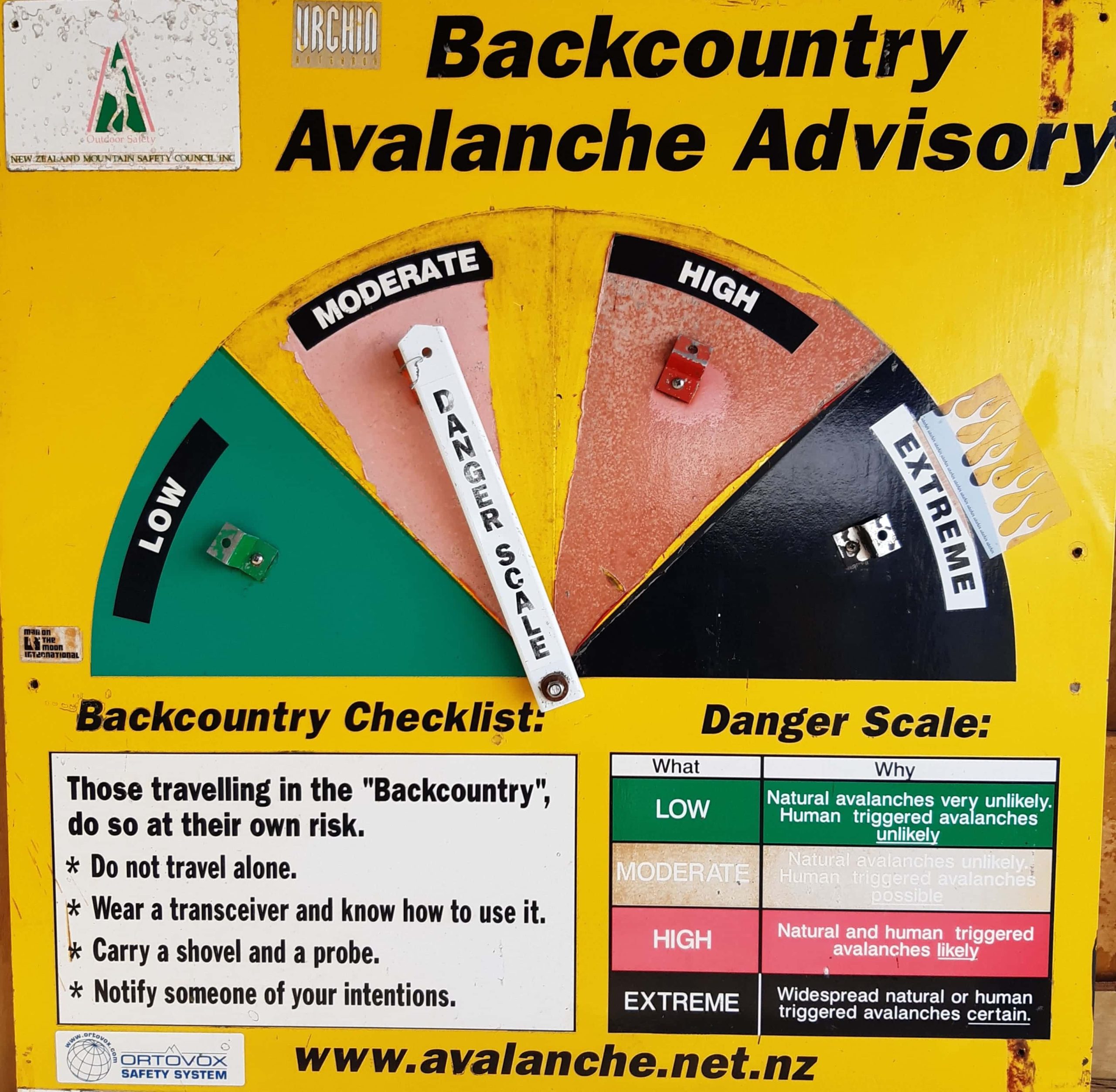
Predictability
But what’s the difference between the risk of backcountry travel and driving a car. The answer is predictability. The concept of being comfortable in a metal box travelling at 100km per hour a few meters away from another box travelling a similar speed in completely the opposite direction has been normalised. We rely on the predictability of system that includes road surface, camber, bend radius and that everyone else understands and (mostly) complies with the rules of the road.
When travelling through avalanche terrain in the backcountry, things are a little less predictable. Basic rules of thumb or systemic risk reduction measures can statistically protect us from the worst of the hazard, but only when predictability is generally high. When the danger is either High or Low. This tends not to be the case during the middle/grey times of Moderate or Considerable danger. This is where strategies to manage the uncertainty become important.
Why do an avalanche course?
Though simply learning and applying basic risk reduction measures, it is possible to enjoy backcountry ski and splitboard travel with a reasonable acceptance of risk. These basic skills include being able to identify avalanche terrain, avalanche conditions and to apply safe travel principles to your group’s travel plans. All of these skills are covered during Avalanche Skills Course 1 (previously known as Avalanche Awareness Course). This introductory course includes a few hours theory followed by a field day and is the first but vital step in everyone’s ongoing avalanche education.
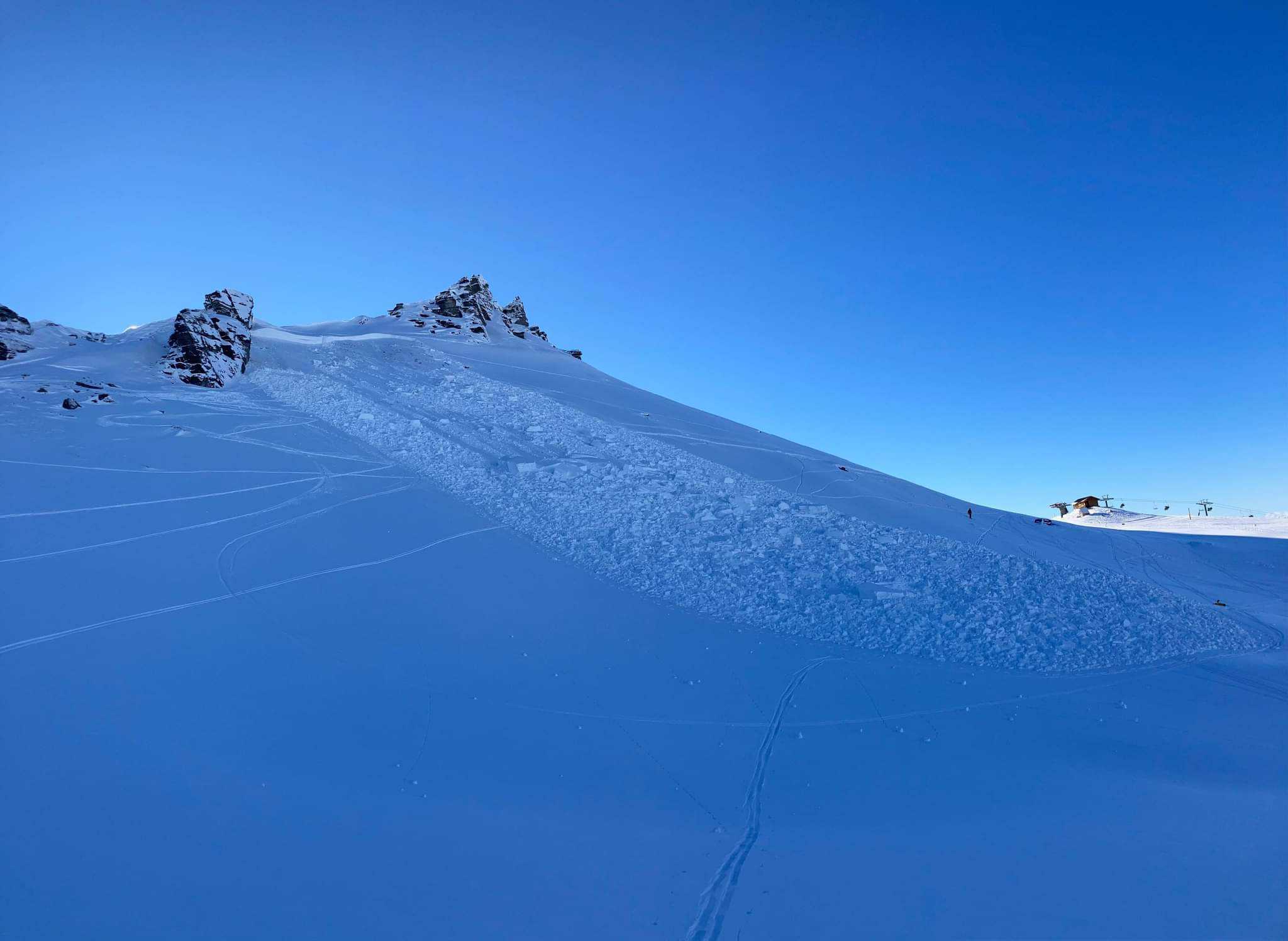
If you have previously done this short course and managed to consolidate you knowledge and experience with a few backcountry trips, the Avalanche Skills Course 2 is four days of more comprehensive instruction. This course expands knowledge in areas of snowpack, weather and identifying avalanche terrain but most importantly introduces and develops the vital decision making tools that allow you to manage the unpredictability of the avalanche phenomenon.